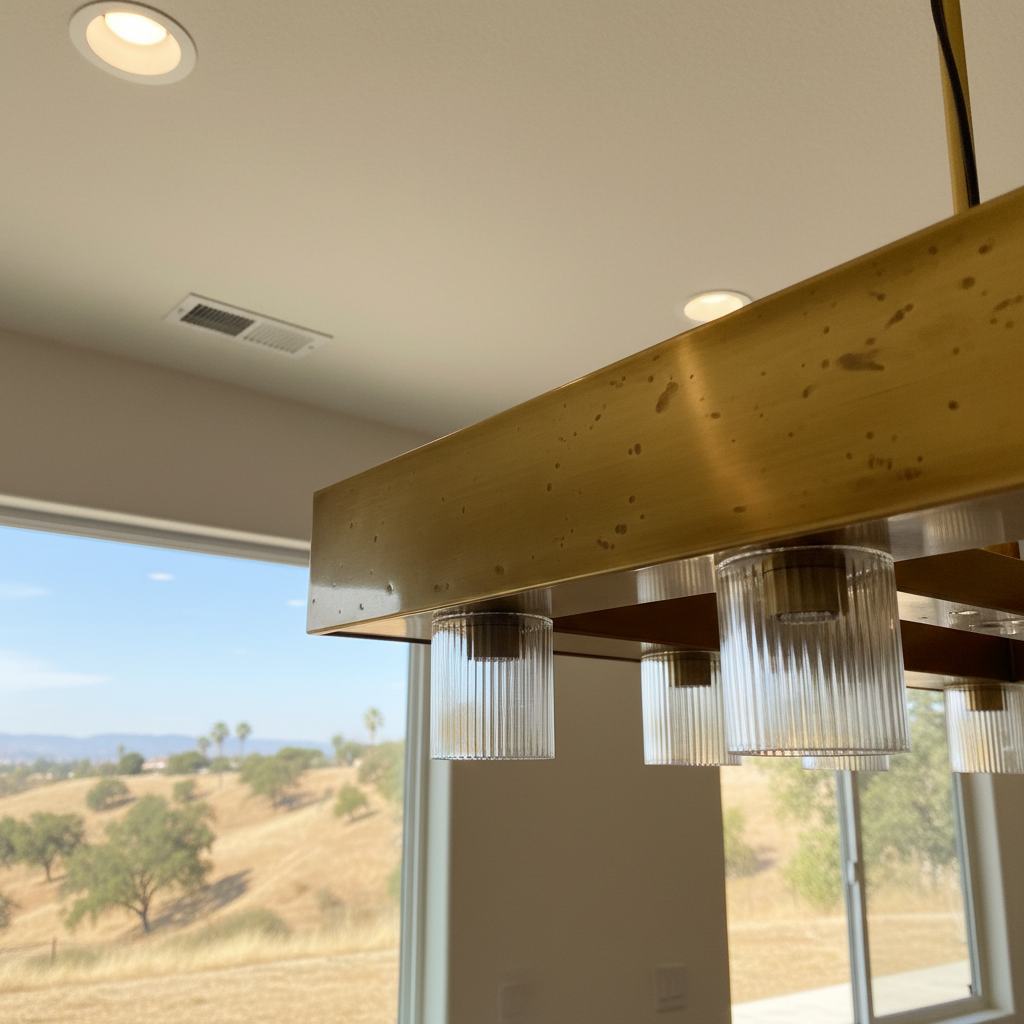
Alright, let's talk about kitchen lighting. It's not just about seeing what you're doing, you know; it really sets the whole mood for your kitchen. I've walked into countless homes around Fontana, from the older places near Sierra Lakes to the newer developments out east, and honestly, one of the first things I notice is the lighting. Sometimes it's perfect. Other times, well, let's just say there's a real chance to make things better.
Before You Touch a Single Wire: Planning Your Lighting
Before you even think about buying a fixture or pulling out tools, you absolutely need a plan. Think about how you actually use your kitchen. You've got three main types of lighting to consider:
- Ambient Lighting: This is your general, overall light. Think recessed lights, flush mounts, or maybe a nice central fixture. It's meant to light up the whole room, top to bottom.
- Task Lighting: This is crucial for specific work areas. You'll want under-cabinet lighting for your countertops, pendants over an island, or a spotlight right over your sink. You really need to see what you're chopping, mixing, or cleaning, right?
- Accent Lighting: This is more for looks. Imagine lighting inside glass cabinets, toe-kick lighting, or even a small picture light if you've got art in the kitchen. It just highlights features and adds a little sparkle.
Most kitchens really need a good mix of all three. Don't just rely on one overhead light; you'll end up with shadows everywhere, especially when you're standing at the counter trying to prep dinner. I always tell folks, imagine yourself doing every activity in your kitchen – cooking, eating, cleaning, even just grabbing a snack – and then think about where you need light most.
What You Can Likely DIY (Carefully!)
Okay, so you've got a plan. What can you actually do yourself without risking a shock or, you know, burning down the house? A fair bit, actually, if you're comfortable with basic electrical work and always, always, turn off the power at the breaker first. Seriously, don't skip that step. I've seen enough close calls to know it's just not worth the risk.
- Replacing Existing Fixtures: If you're just swapping out an old light fixture for a new one in the exact same spot, and it's a simple 1-for-1 replacement (meaning no new wiring or switches), you can probably handle this. Just make sure the new fixture isn't too heavy for the existing electrical box.
- Installing Under-Cabinet LED Strips: Many modern LED strip kits are plug-and-play. They come with adhesive backing and just plug into an existing outlet. These are fantastic for task lighting and usually don't require any electrical wiring expertise beyond, well, plugging them in.
- Adding Puck Lights: Similar to LED strips, battery-operated or plug-in puck lights can add accent lighting inside cabinets or shelves without needing to mess with your home's wiring.
- Changing Bulbs: This one's a no-brainer, but it's surprising how many people don't realize the impact different bulb types and color temperatures can have. Experiment with warmer (2700K-3000K) or cooler (3500K-4000K) light to see what you like best.
Remember, even for these DIY tasks, watch some videos, read the instructions, and if you feel even a tiny bit unsure, stop. It's not worth getting hurt or messing up your electrical system, is it?
When It's Time to Call Coastal Kitchen Remodeling (or another Pro Electrician)
This is where most homeowners hit a wall, and for good reason. Electrical work isn't something to guess at. Here's when you absolutely need to call in a licensed electrician:
- Adding New Circuits or Outlets: If you want to add recessed lighting where there was none before, install new pendant lights over an island that doesn't have existing wiring, or put in new switches, you're talking about running new wires. This requires knowledge of electrical codes, proper wire sizing, and ensuring your panel can handle the extra load.
- Relocating Existing Fixtures: Moving a ceiling light even a few feet often means extending or rerouting wiring, which falls into the