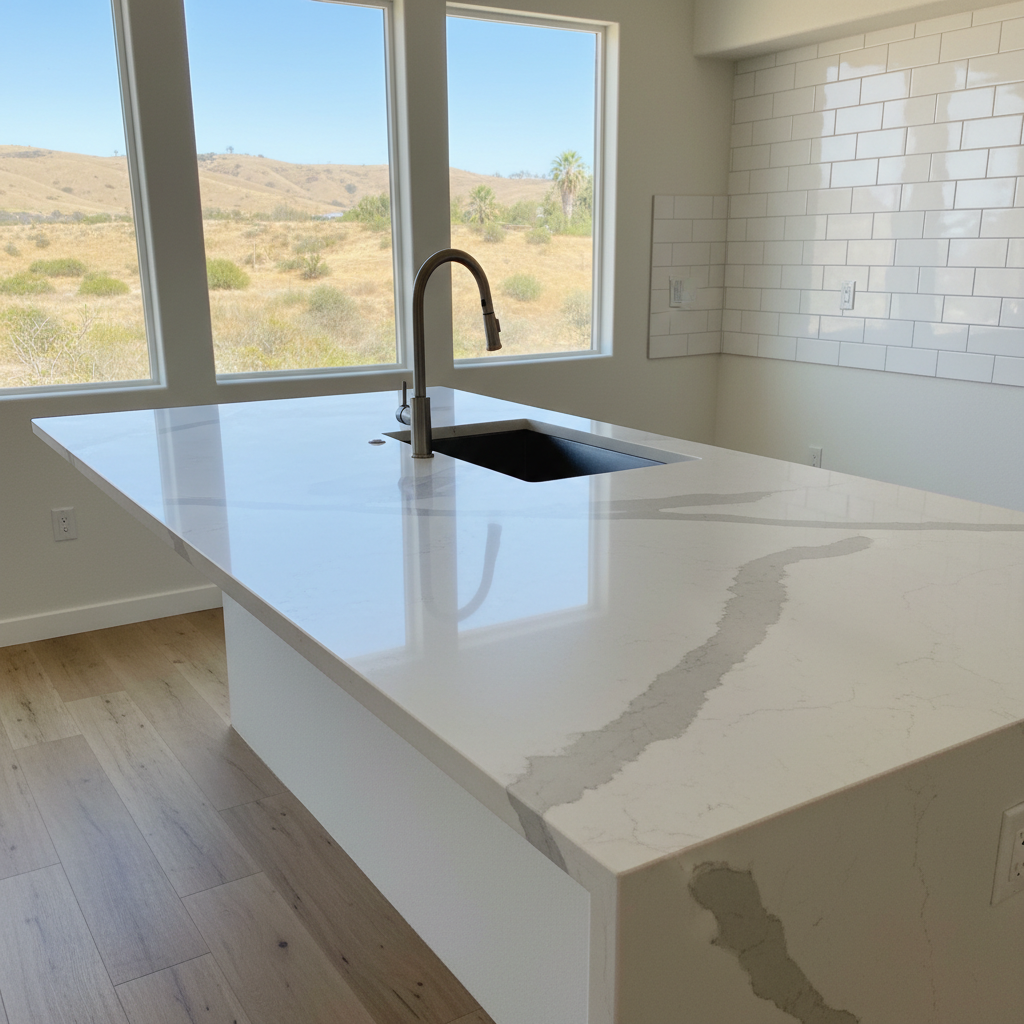
Do I really have enough space for a kitchen island?
This is probably the first question everyone asks me. Honestly, you can't just drop an island anywhere. The general rule of thumb? You need at least 36 to 42 inches of clear space all around it. That's from the island's edge to any nearby counter, wall, or appliance. This isn't just about how it looks; it's super important for making sure you can open your dishwasher, pull out oven racks, and let people move around without bumping into each other. If you're crammed in, that island you pictured in your head quickly becomes a huge pain. I've definitely seen folks in some of the older, smaller tract homes here in Fontana try to squeeze one in, and it just doesn't work. Sometimes, a peninsula or even a smaller, movable cart makes way more sense than a big, permanent island.
What's the typical cost of installing a kitchen island?
Alright, let's talk about the money side of things. This isn't a simple "one-price-fits-all" answer, because an island can be anything from a basic cabinet with a top to a full-blown cooking station with plumbing, electricity, and seating. For a pretty simple island – maybe a couple of base cabinets, a standard laminate or quartz countertop, and no extra utilities – you might be looking at anywhere from $2,500 to $6,000 for materials and installation. If you want to add a sink, a dishwasher, an outlet, or even a wine fridge, that's where the costs really start to climb. Running new plumbing and electrical lines can easily add thousands, especially if we have to cut into your concrete slab, which is pretty common in a lot of Fontana homes built back in the 70s and 80s. A high-end custom island, with a fancy stone top and built-in appliances, could easily hit $10,000 to $20,000 or even more. It truly just depends on what you want it to do for you.
How long does kitchen island installation usually take?
If we're just talking about putting in a pre-built cabinet island with a countertop, we can often get that done in just a day or two. But that's rarely the complete picture, is it? If you're adding plumbing for a prep sink or electrical for outlets and appliances, that's when the timeline really stretches out. You've got to factor in:
- Demolition (if we're taking out an old island or peninsula)
- Rough-in plumbing and electrical (this absolutely needs to pass inspection)
- Cabinet installation
- Countertop templating and installation (the countertop fabricator usually needs a week or two after they come out to template)
- Finishing touches like trim and hooking up appliances
Can I add a sink or cooktop to my island?
Absolutely, you can! Many people want a secondary prep sink or even their main sink right on the island, and lots of folks love the idea of a cooktop there too. Just remember what I said about cost and time. Adding a sink means running new water supply lines and a drain line, which can be a big job if your existing plumbing isn't close by. A cooktop means running a dedicated electrical line (220V for electric) or a gas line. Both of these require permits and inspections, by the way. You'll also need proper ventilation if you're putting a cooktop on an island, which usually means a downdraft vent or an overhead range hood. Both of those add to the complexity and the cost, of course. It's totally doable, but make sure to plan for it right from the start.
What are the best countertop materials for an island?
This really comes down to your lifestyle and your budget. Here's what I usually recommend:
- Quartz: Super popular, and for good reason. It's durable, non-porous (so it resists stains like a champ), and comes in tons of colors and patterns. Great for busy families, no doubt.
- Granite: A true classic. It's natural stone, so every slab is unique, which is pretty cool. It's tough, but you do need to seal it periodically to keep it from staining.
- Butcher Block: If you're going for a warmer, more natural look. It's excellent for chopping right on the surface, but it does require regular oiling and can show wear and tear more easily.
- Laminate: This is your most budget-friendly choice. It's come a long way in terms of how it looks, but it's just not as durable or heat-resistant as stone.
How do I choose the right size and shape for my island?
First, go back to that clearance rule I mentioned earlier. Once you know how much space you *actually* have, then you can start thinking about the size and shape. A rectangular island is the most common, but L-shaped or T-shaped islands can work really well in bigger kitchens, especially if you want separate zones for prep and seating. Think about how you'll actually use it. If you want seating, you'll need at least 12-15 inches of overhang for comfortable knee space. If it's mainly for prep and storage, you can get away with less overhang or none at all. Don't just eyeball it; grab some painter's tape and mark out the dimensions right there on your floor. Live with it for a day or two. Walk around it, open cabinet doors. You'll quickly see if it feels right or if it's just too big or too small.